


Listen here.
When someone first subscribes to The Authentic Path, I send them to a blog post I wrote in May 2025. In an age where all the information you want is at your fingertips, reading real books is a lost art. So I decided to share an updated version with you today. I also included a bonus that wasn’t in the original. I hope this adds value to you.
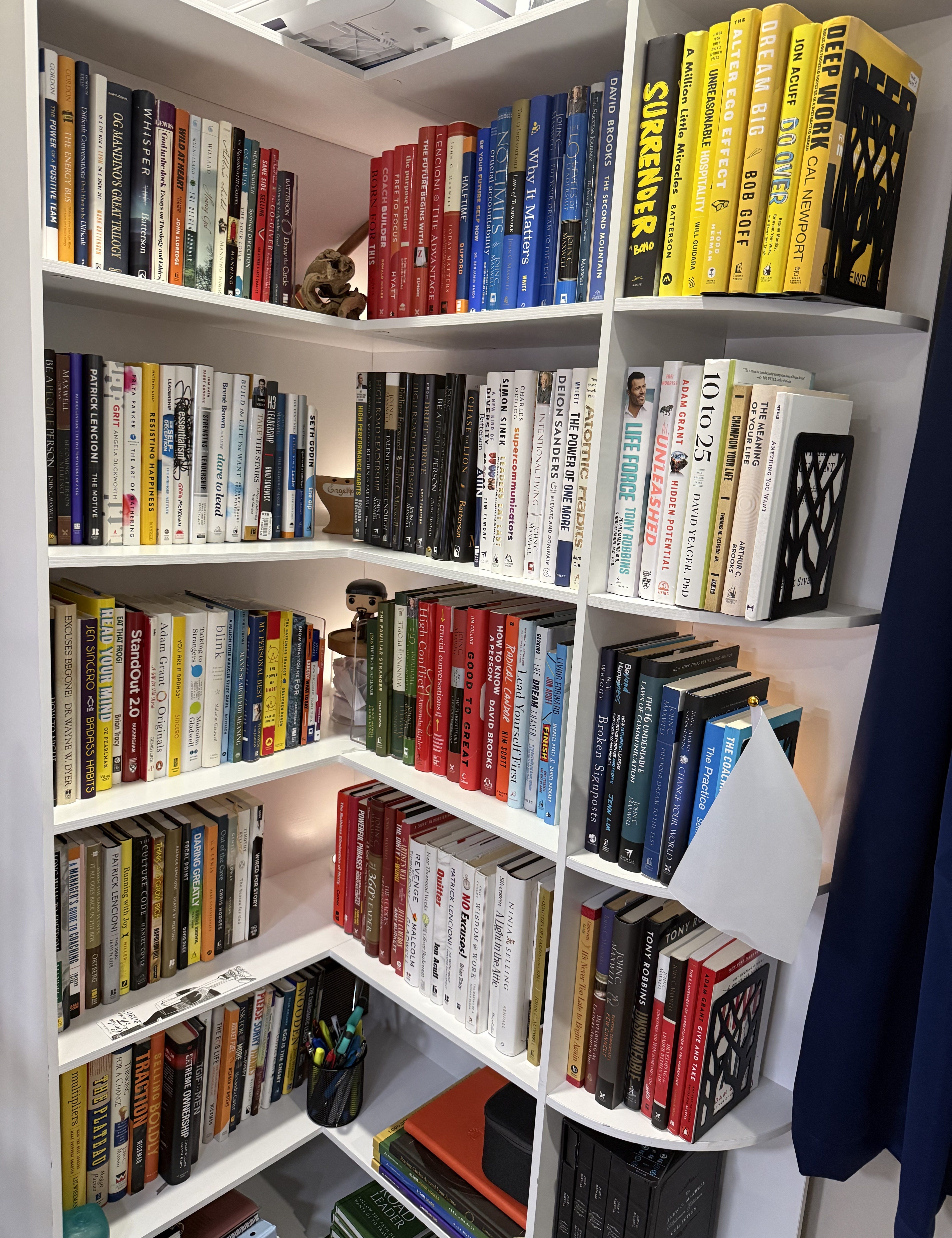
Over the past decade, I have read many books on personal growth. Some were not good. Some were OK. Some were really good. These 3 4 were life-changing.
1. The 15 Invaluable Laws of Growth by John C. Maxwell
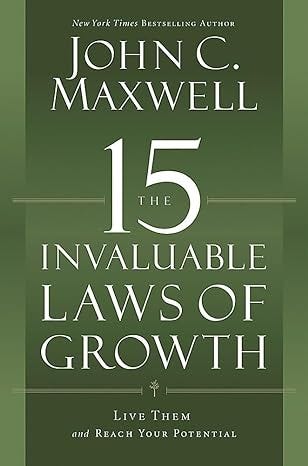
I first read this book in 2022. Here’s why it will help you. John shows you how to change your life, one day at a time. The Law of the Rubber Band captures the main idea:
“Growth stops when you lose the tension between where you are and where you could be.”
For much of my life, I had been waiting for fulfillment to appear with the next accomplishment, the next trophy on the wall, the next rung on the ladder. John says that most people use a small fraction of their capabilities and, as a result, fall well short of their potential. In my case, I kept waiting for “them” to tell me what was next instead of practicing habits that would stretch me into who I could become. I’ve led several masterminds with this book and have seen the lights come on for people who take its simple message to heart. It has been a cornerstone of my growth journey from corporate ladder climber to helping people live out their purpose. It helped me find my voice outside of the noise of others’ expectations.
2. Atomic Habits by James Clear
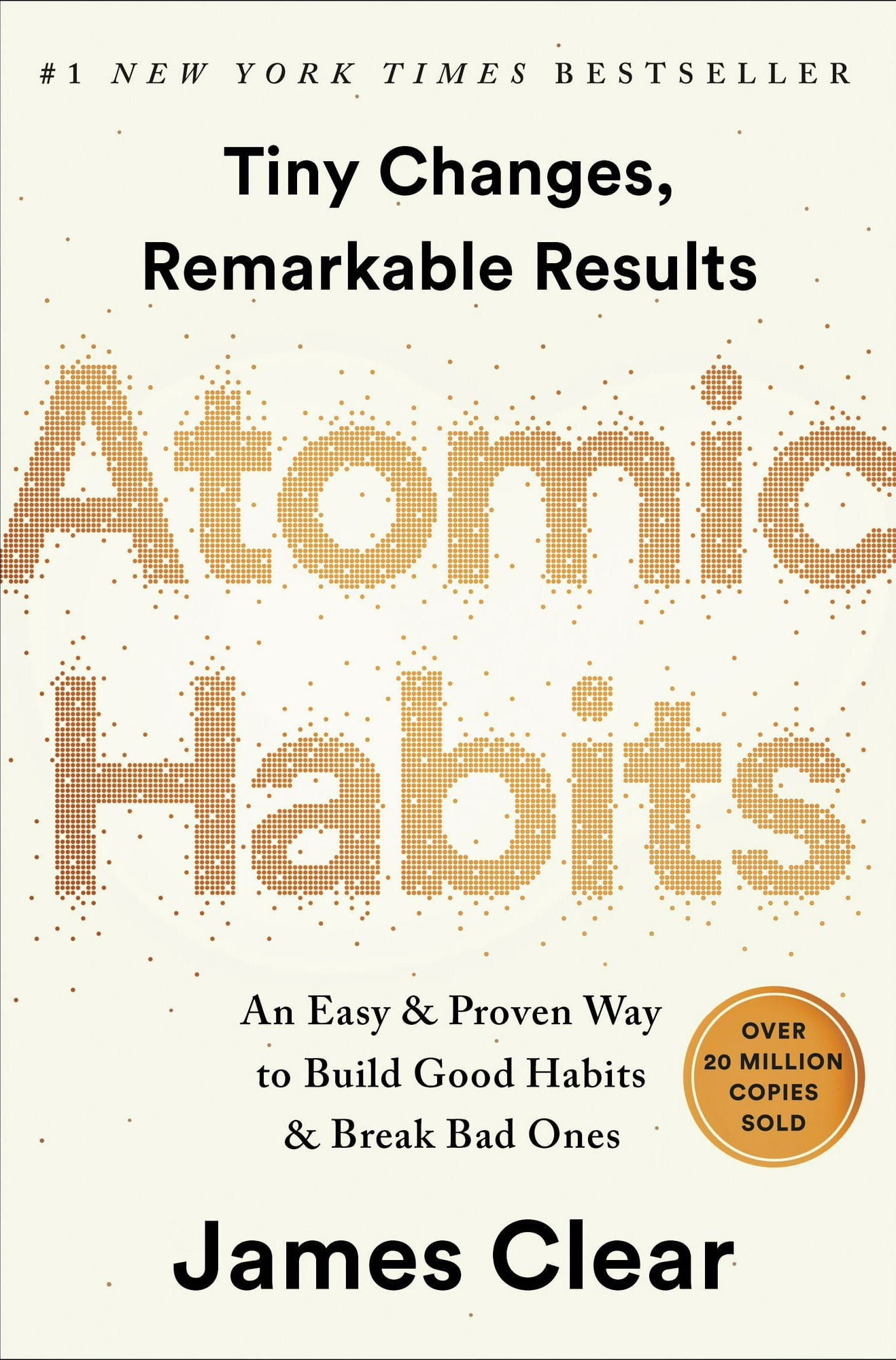
During the pandemic, Atomic Habits was recommended to me by the best boss I ever worked for. Gary retired a few years ago and has remained a good friend and mentor. His recommendation alone made me want to pick it up.
Here’s why I think you’ll love it. Clear dismantles the myth that transformation requires massive, sudden change. Instead, he reveals how tiny, consistent actions reshape your identity from the inside out. The idea that “every action you take is a vote for the type of person you wish to become” revolutionized how I approach each day. For example, improving my fitness starts with laying out my workout clothes the night before so I can put them on and head to the gym without talking myself out of it.
When you feel trapped in a life you don’t want to be in, the path forward isn’t dramatic resolutions. It’s making small identity-based changes that compound over time. I’m using this idea to write my book in 2026: “I am an author.” I assume the identity before the result occurs. If I continue to write consistently, you will have the opportunity to read it in 2027. Who do you want to become? Start today, and in 6 months you will look back and not recognize the person you’ve become.
3. Man’s Search for Meaning by Viktor E. Frankl
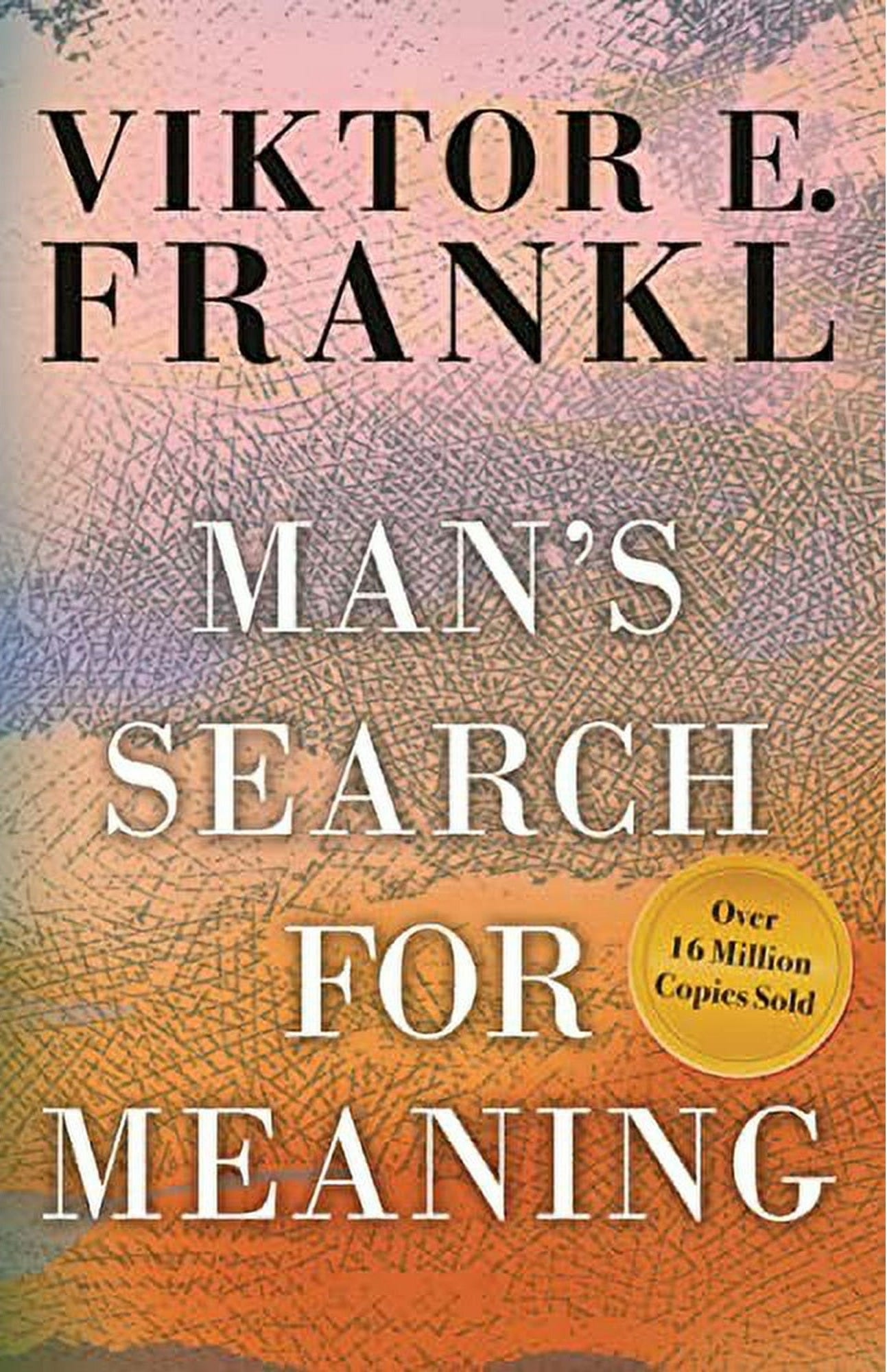
Everyone should read this book. Here’s why. It was written by psychiatrist Viktor Frankl, who survived four Nazi concentration camps and the murder of his entire family (slow down and read that again). He explores how finding meaning, even in suffering, is the primary human motivation. He lived out Friedrich Nietzsche’s observation that “those who have a ‘why’ to live can bear almost any ‘how.’”
This book challenged me to ask bigger questions about my life. Instead of battling the emptiness of achievement without purpose, Frankl reminded me that our freedom to choose our attitude in ANY circumstance is the one thing that can never be taken from us.
4. From Strength to Strength by Arthur C. Brooks
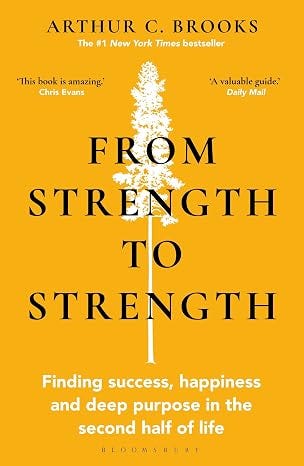
Don’t put this book down after the first chapter, which is entitled “Your Professional Decline Is Coming (Much) Sooner Than You Think.” Brooks argues that professional decline begins in your 40s or 50s. He calls that the misery of the striver’s curse. The harder you worked to build the skills you have, the more it hurts when they fade. He talks about 2 types of intelligence:
Fluid intelligence is like raw horsepower. It is the ability to solve unique problems and process them rapidly to drive innovation. It rises in your 20s and 30s, then begins a long decline. This is how you build the first half of your career. That thought is a bit depressing, right?
Crystallized intelligence is like a stored library. It’s the internet in your brain: accumulated knowledge, vocabulary, pattern recognition, and the ability to look at situations and synthesize meaning from them. Crystallized intelligence rises into your 60s, 70s, and beyond.
Brooks gives permission to stop the cycle of success addiction, where, just like heroin, you need bigger doses to feel like enough. He argues that building your identity outside of what you do is crucial to a purposeful life in the second half. Building deep friendships is a key to this. This is an important book.
You could ask Claude or ChatGPT to summarize these books for you. To tell you what to think about them. But don’t. These are books that need to be held in your hands, marked up, and read with intention. Reading them changed my life. I hope you will allow them to change yours too.
What books are on your must-read list and why?
See you next Sunday.

If you enjoyed this post, the best compliment I could receive would be for you to share it with one other person. Thank you.
I think Viktor Frankl's quote: "Between stimulus and response there is a space. In that space is our power to choose our response. In our response lies our growth and our freedom," is the most powerful quote I have ever read. It should be on every refrigerator in the world in bold letters. Imagine if all of us had the emotional intelligence to live by that quote. Just imagine.
Really good list! Arthur Brooks has become one of my favorites!